


Choose your cladding
Shop the Main External Cladding Ranges
If you already know which direction you want to go, use these quick routes to move straight into the main cladding ranges.
-
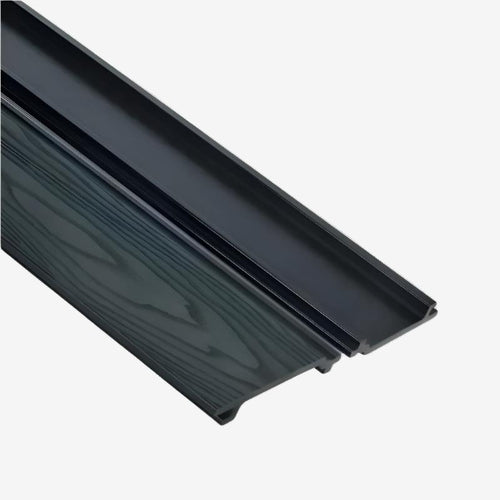 Composite Options
Composite Exterior Cladding
- Suitable for home exteriors, garden rooms & outdoor buildings
- Popular for woodgrain-style and modern finishes
- Available in a range of colours & finishes
Best for: Projects needing a durable cladding finish with strong visual appeal
-
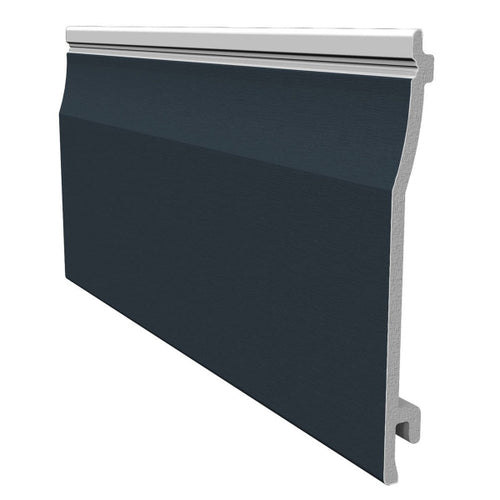 Upvc Options
Upvc Exterior Cladding
- Practical, low-maintenance option for exterior walls
- Good choice for longer cladding runs and larger wall areas
- Available in a range of styles, colours and matching trims
Best for: Larger wall areas, longer runs, and projects needing a clean low-maintenance finish
-
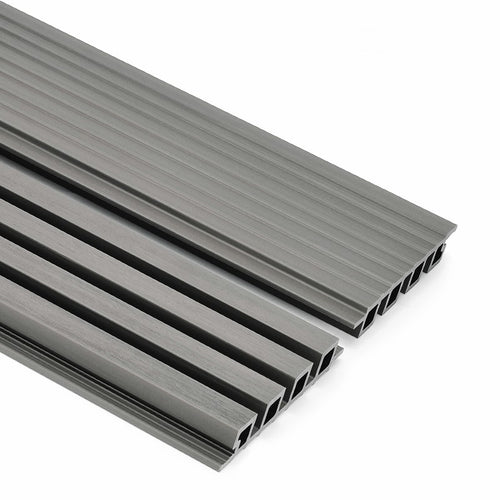 Composite & Upvc Options
Slatted Cladding
- Design-led finish compared with more standard board styles
- Strong choice for modern garden rooms, façades and outdoor buildings
- Popular on garden rooms, feature walls, & outdoor spaces
Best for: Projects where a more modern cladding look is the priority
-
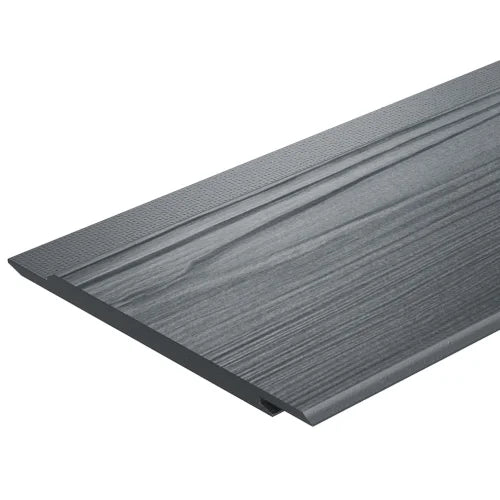
Fibre Cement
- Strong A2-s1, d0 fire-performance option
- Popular for dormers,gable ends & other projects where fire performance matters
- Available in a wide choice of colours, profiles & Board styles
Best for: Dormers, gable ends and exterior wall projects where fire performance, durability and a sharper cladding finish are a priority.


See the Range Up Close
External Cladding Backed by Real Product Support
Choosing external cladding from a screen only gets you so far. Visit the showroom to see ranges fitted on the wall, compare finishes more clearly, take samples away and get help narrowing down the right option for your project.

See It on the Wall
View external cladding ranges fitted on display so you can get a better feel for the profile, finish and overall look before you order.

Take Samples Away
Compare colours and finishes at home or on site before committing to a full order.

Delivery & Collection
Fast local delivery or collect from our showroom at your convenience.

Speak to our Team
If you are deciding between composite, slatted, uPVC or fibre cement cladding, we can help point you towards the right fit.
Help Before You Buy
A few quick checks before you order can make choosing external cladding much easier. Use the guides below to compare materials, review installation information and plan the right finish for your project.
-
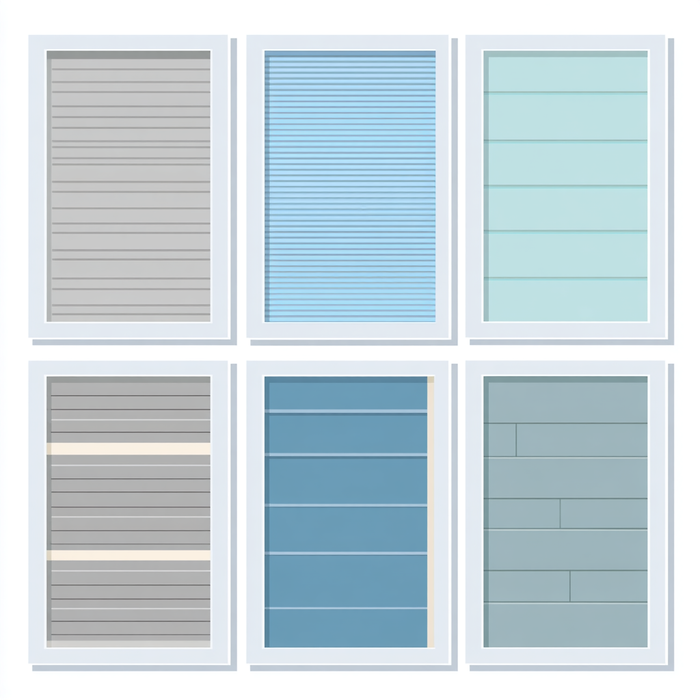
Compare Cladding Types
Not sure which material is right for your project? Compare composite, slatted, uPVC and fibre cement cladding to understand the main differences in style, finish and typical use.
-
Installation Guides
Download helpful fitting guides and product documents to understand how different cladding systems are installed, what parts may be needed and how to plan the job properly.
-
Before You Order
Check the key things that matter before buying, including cladding style, board profile, finishing details and the type of project you are working on. A little planning now helps avoid the wrong choice later.
Getting Started With External Cladding
Choosing External Cladding
What is external cladding?
What is external cladding?
External cladding is the outer finish fixed to an external wall. It changes the look of the building and forms part of the external envelope, so the right system, fixings and installation details matter. Use this page to compare the main cladding families first, then move into the range that best fits your project.
What are the main types of external cladding?
What are the main types of external cladding?
On this page, the main external cladding routes are composite cladding, slatted cladding, uPVC exterior cladding and fibre cement cladding. The aim of this hub is to help you compare those broad options first before you get into more detailed range, profile and finish questions on the individual collection pages.
How do I choose the right external cladding for my project?
How do I choose the right external cladding for my project?
Start with the overall look you want, then narrow it down by project type, maintenance expectations, installation method and any planning or fire-performance requirements that may apply. This page is designed to help you compare the main cladding types at a top level, then move into the most relevant range page for product-specific detail.
Can I compare finishes in person before I order?
Can I compare finishes in person before I order?
Yes. You can visit our showroom to see external cladding displays on the wall, compare finishes more clearly and take samples away before placing a full order.
Planning & Practical Checks
Do I need planning permission for external cladding?
Do I need planning permission for external cladding?
Items must be returned within 30 days after receiving your order and in the same condition they were received.
Do building regulations apply when replacing external cladding?
Do building regulations apply when replacing external cladding?
They can. Planning Portal says building regulations would normally apply where 25% or more of an external wall is re-clad or otherwise renovated, and in those cases the thermal insulation of the wall would normally need to be improved as well. Always check with your local council if you're unsure.
Do fire rules matter when choosing external cladding?
Do fire rules matter when choosing external cladding?
Yes, especially on taller residential buildings. Approved Document B includes added restrictions for materials used in external walls on certain buildings, including residential buildings with a storey 11m or more above ground level, so fire performance should be checked against the specific project.
Do I need installation guides before ordering?
Do I need installation guides before ordering?
If you want to check fitting details before you buy, installation guides are available for many cladding ranges. You can find helpful product documents on our downloads page, and we can also point you towards the right guide if needed.


